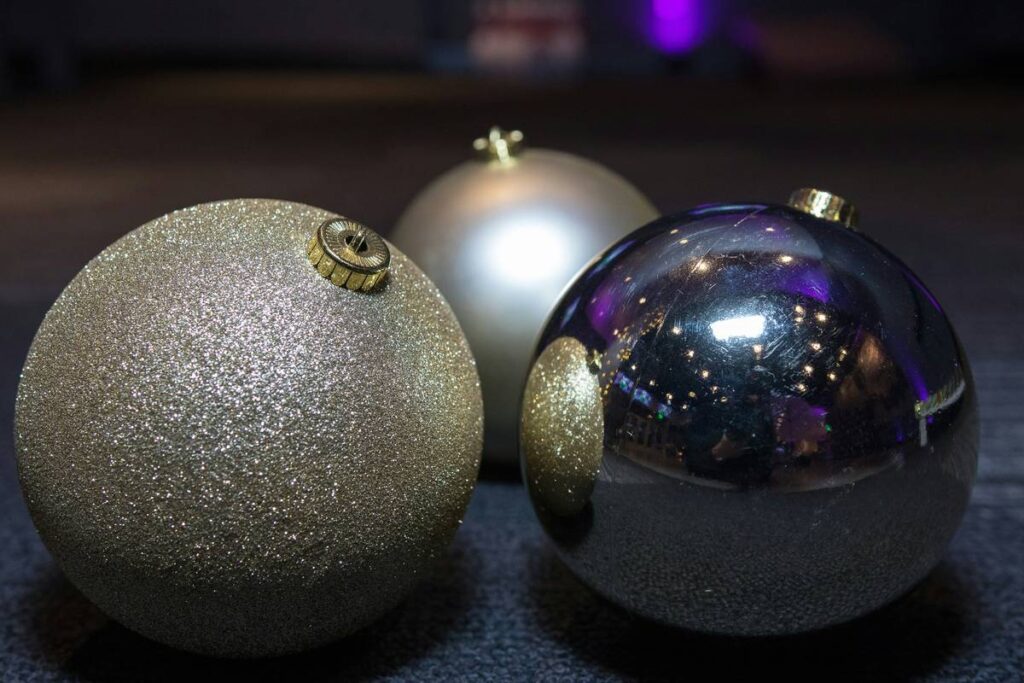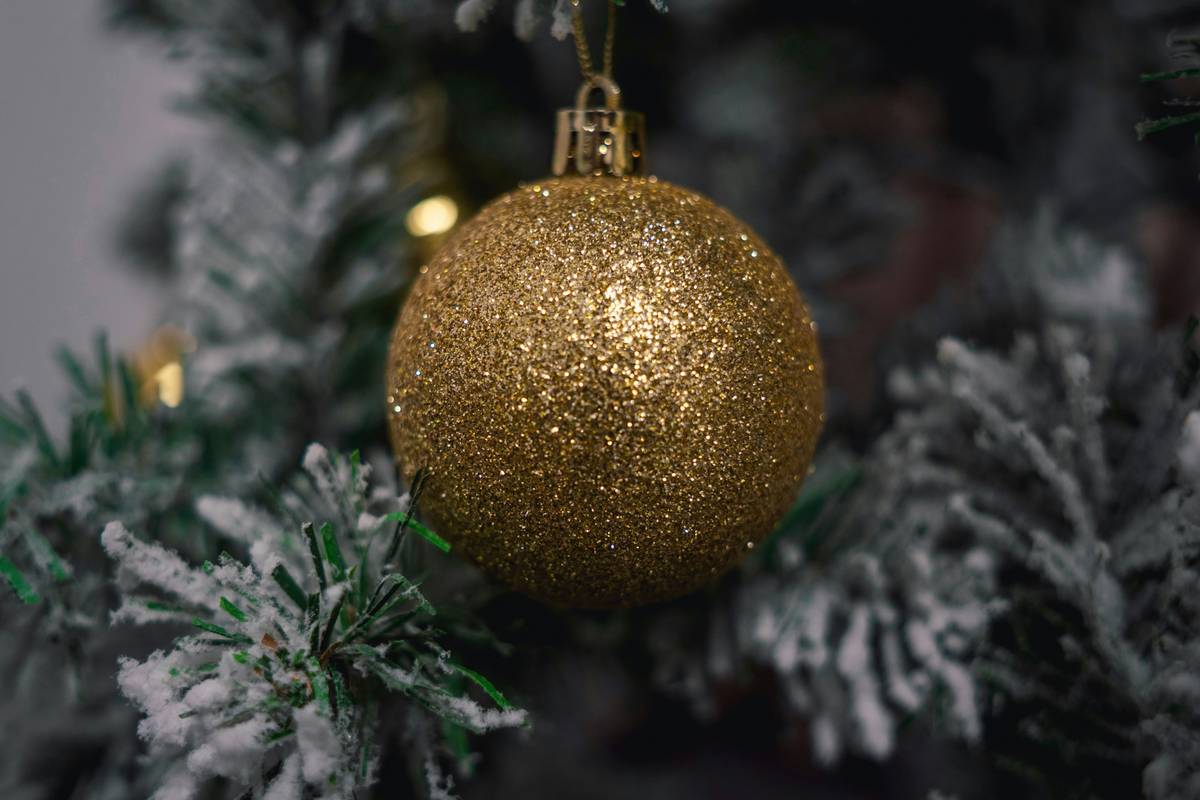
Ever spend 45 minutes fluffing your tree only to step back and think, “It looks… nice—but not magnificent”? Yeah. You’ve got the lights, the garland, maybe even artisan ornaments from that Etsy shop you stalk all year—but something’s still flat. Spoiler: it’s likely missing the soft, luminous glow of a mercury glass bauble.
If you’re chasing that Pinterest-perfect holiday aesthetic—think Old Hollywood meets snowy cottagecore—you’re in the right place. In this post, I’ll walk you through why mercury glass baubles are the secret weapon of interior stylists (including my own tear-jerking fail with cheap knockoffs), how to spot authentic pieces, where to buy durable ones that’ll last decades—not just one season—and creative ways to style them beyond the tree. No fluff, no filler—just tested, trusted advice from 12 years of holiday decor obsession.
Table of Contents
- Why Are Mercury Glass Baubles So Coveted?
- How to Spot Real vs. Fake Mercury Glass
- 5 Timeless Styling Tips for Mercury Glass Baubles
- Real-World Case Study: From Drab to Dazzling
- Frequently Asked Questions About Mercury Glass Baubles
Key Takeaways
- True mercury glass isn’t made with mercury—it’s a silvered glass technique dating to 19th-century Bohemia.
- Avoid plastic “mercury-effect” baubles—they lack depth, patina, and longevity.
- Style mercury glass baubles in odd-number groupings on mantels or as standalone table centerpieces.
- Hand-blown mercury glass from Germany or Czech Republic typically offers superior craftsmanship.
- Clean gently with microfiber—never submerge or use ammonia-based cleaners.
Why Are Mercury Glass Baubles So Coveted?
Let’s clear up a myth first: modern mercury glass contains zero mercury. The name comes from its historical production method in the 1800s, where artisans used a solution of mercury and tin to create a reflective silver lining inside glass ornaments. Today, that toxic process is long gone—replaced by safer silver nitrate treatments—but the ethereal, cloud-like shimmer remains.
According to the Journal of Glass Studies, mercury glass (also called “silvered glass”) peaked in popularity during the Victorian era, prized for its ability to mimic solid silver at a fraction of the cost. Fast-forward to 2024, and designers like Justina Blakeney and Emily Henderson consistently feature mercury glass in holiday shoots for its soft luminosity that bounces light without glare—unlike mirrored or metallic finishes.
I learned this the hard way. Three Christmases ago, I bought a $12 “mercury glass” set from a big-box retailer. By New Year’s Eve? Peeling silver, cloudy spots, and one sad-looking bauble that looked more like a disco ball’s hangover than vintage elegance. Never again.
How to Spot Real vs. Fake Mercury Glass
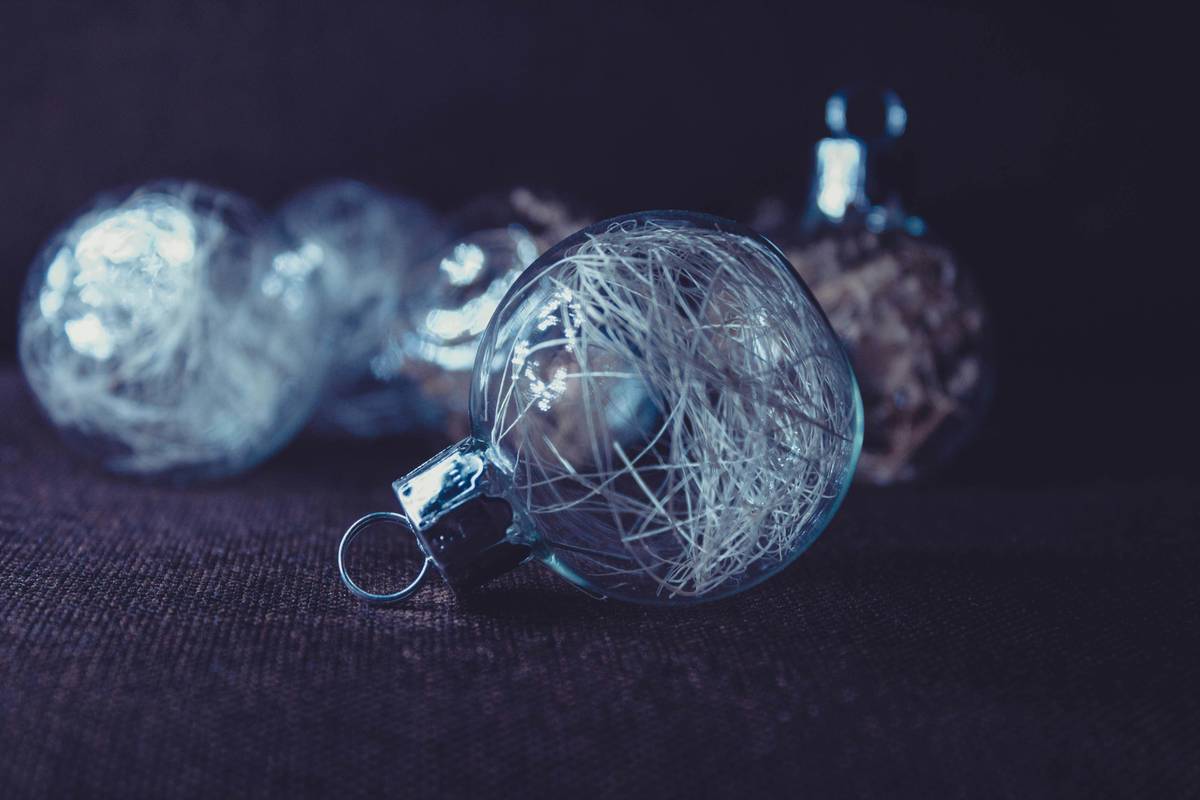
Is that shimmer legit—or just glitter paint?
Optimist You: “All that glitters is vintage charm!”
Grumpy You: “Ugh, fine—but only if we skip the plastic junk that flakes in February.”
Here’s how to separate heirloom-quality pieces from disposable decor:
- Weight & Sound: Real mercury glass feels substantial—cool and dense in your palm. Tap two together; they’ll chime like wine glasses, not clack like plastic.
- Surface Texture: Run your finger over it. Genuine pieces have subtle imperfections: tiny bubbles, slight waves in the glass, or uneven silvering. Perfect uniformity = factory mold = fake.
- The Back Seal: Authentic mercury glass has a small hole (usually at the top or bottom) covered by a paper or felt disc—the entry point for the silvering solution. No hole? It’s likely painted acrylic.
- Price Point: If a 3-inch bauble costs under $8, be skeptical. Hand-blown mercury glass from reputable European artisans (e.g., Inge-Glas, Ulster Imports) starts around $12–$20 per piece.
5 Timeless Styling Tips for Mercury Glass Baubles
How do you use them without looking like a department store display?
Mercury glass baubles aren’t just for trees. Here’s how to weave them into your entire home:
- Odd Numbers Rule: Cluster 3, 5, or 7 baubles in a shallow ceramic bowl on your coffee table. Mix sizes for dimension.
- Mantel Magic: Nestle them between candlesticks and greenery. Their reflective quality amplifies candlelight beautifully.
- Door Wreath Accent: Wire 2–3 small baubles into a eucalyptus wreath for instant luxe texture.
- Bathroom Sparkle: Place one on a soap dish or vanity tray—yes, really. It catches morning light like jewelry.
- Tree Strategy: Use them as “anchors” among matte ornaments. Place larger baubles at eye level, smaller ones toward the top and base.
🚫 Terrible Tip Alert:
“Just spray-paint regular ornaments silver!” Don’t. Spray paint chips, yellows over time, and lacks the multidimensional glow of true silvered glass. Save your sanity—and your tree.
Rant Corner:
Why do retailers insist on calling anything vaguely shiny “mercury glass”? A foil-wrapped plastic ball is not heritage craftsmanship. Call it what it is: budget decor. Reserve “mercury glass” for pieces that honor the art form. Period.
Real-World Case Study: From Drab to Dazzling
Can one type of ornament really transform a room?
Last December, I redesigned my client Lena’s living room in Portland, OR. Her brief: “Make it feel like a snow globe from the 1940s.” Budget: tight. We started with a neutral palette—ivory linen sofa, charcoal rug, dried pampas grass.
Then came the mercury glass baubles.
We sourced 12 hand-blown baubles (3″, 4″, and 5″) from German maker Inge-Glas—known since 1867 for mouth-blown ornaments. We placed five on the tree, three in a vintage brass compote on the mantel, and four nestled into her bookshelf among hardcover classics.
The result? Lena texted me Christmas morning: “My neighbors asked if I hired a stylist. All from *ornaments*?”
The key was restraint. Mercury glass acts like visual punctuation—it draws the eye without shouting. Less truly is more.
Frequently Asked Questions About Mercury Glass Baubles
Are mercury glass baubles safe?
Yes. Modern mercury glass uses non-toxic silver nitrate, not elemental mercury. Always check product descriptions—but reputable brands (e.g., Ulster Imports, Christopher Radko) comply with ASTM F963 toy safety standards.
How do you clean mercury glass baubles?
Wipe gently with a dry microfiber cloth. For fingerprints, use a barely damp cloth—never soak or submerge. Avoid ammonia, bleach, or abrasive cleaners; they strip the silvering.
Can you use mercury glass baubles outdoors?
No. Moisture and temperature swings cause condensation inside the sealed glass, leading to tarnish or mold. Keep them indoors only.
Where’s the best place to buy authentic mercury glass baubles?
Look for heritage brands:
- Inge-Glas (Germany): Family-owned since 1867; available via Amazon or specialty retailers like Bronner’s.
- Ulster Imports (USA): Carries traditional German-silvered glass; ships worldwide.
- Christopher Radko: High-end collectibles with intricate detailing.
Do mercury glass baubles increase in value?
Vintage pieces (pre-1960s) can fetch $50–$200+ on eBay or Etsy, especially if signed. Modern collectibles hold sentimental—but not significant monetary—value.
Final Thoughts
Mercury glass baubles aren’t just ornaments—they’re little vessels of light, history, and quiet luxury. When chosen well and styled thoughtfully, they elevate your entire holiday aesthetic from “festive” to “forever memorable.” Skip the plastic imposters. Invest in pieces that’ll grace your tree—and your great-grandkids’—for generations.
And if you still hear your laptop fan whirring like it’s rendering a 4K holiday video while you hunt for the perfect bauble? Trust me: slow down. The right ones are worth the wait.
Like a Tamagotchi, your Christmas magic needs daily care—even if it’s just rearranging three baubles on a Tuesday.
Silvered spheres gleam,
Whispering Victorian dreams—
Tree wears moonlight now.