Ever spent 45 minutes fluffing an artificial tree only to realize your ornaments look… flat? Like they’re just sitting there instead of dancing with holiday magic? You’re not alone. I once wrapped an entire Douglas fir in vintage glass balls—only to have my neighbor ask, “Is that a storage unit or a Christmas tree?” Ouch.
If you’re serious about elevating your holiday display without blowing your budget or sanity, it’s time to meet the unsung hero of Christmas decor: the spiral tree cone. Often mistaken for mere filler, this cleverly shaped ornament is actually a designer-level tool for depth, movement, and visual rhythm.
In this post, you’ll discover:
• Why spiral tree cones outperform traditional baubles in layered decorating
• Exactly how to place them for that “wow” effect guests can’t stop photographing
• Real mistakes I’ve made (and how you can avoid them)
• Trusted product picks based on material durability and light reflection
• And yes—even how to DIY your own if you’re feeling crafty
Table of Contents
- What Exactly Is a Spiral Tree Cone?
- Why Use Spiral Tree Cones Instead of Regular Ornaments?
- How to Hang Spiral Tree Cones Like a Holiday Stylist
- 7 Pro Tips for Maximum Impact
- Real Homes, Real Results: Before & After
- Frequently Asked Questions
Key Takeaways
- Spiral tree cones create dynamic depth through their helical shape and reflective surfaces.
- They work best when layered at varying depths—not just on the outer branches.
- Metallic finishes (especially brushed gold or iridescent silver) catch ambient light better than flat colors.
- Avoid cheap plastic versions—they discolor under LED heat and lack structural integrity.
- Use odd-number groupings (3, 5, or 7) for natural visual balance.
What Exactly Is a Spiral Tree Cone?
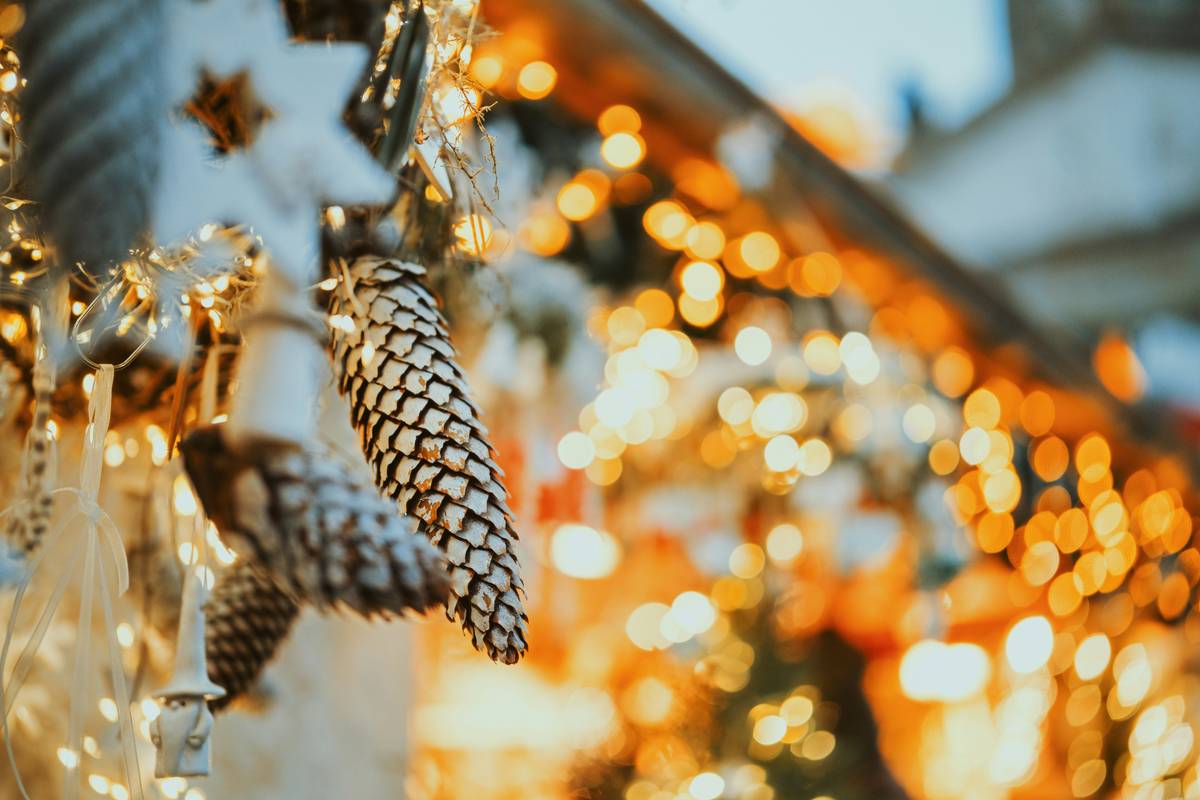
A spiral tree cone isn’t your grandma’s tinsel-wrapped pinecone. It’s a manufactured Christmas ornament shaped like a conical helix—think DNA strand meets evergreen tip. Typically made from lightweight metals (like aluminum), iridescent plastics, or even hand-blown glass, these ornaments spiral outward from a central point, creating motion even in still air.
First popularized in mid-century German and Scandinavian design circles, spiral cones gained traction in the U.S. during the 1960s Space Age aesthetic boom—when anything futuristic and geometric felt “modern.” Today, they’re staples in high-end holiday staging, often used by designers like Bunny Williams and Nate Berkus to add kinetic energy to static trees.
Why Use Spiral Tree Cones Instead of Regular Ornaments?
Flat spheres are safe—but they’re also predictable. A spiral tree cone engages the eye differently because of its three-dimensional geometry. Light doesn’t just bounce off it; it travels along the coil, creating shimmer trails that shift as you move around the room.
According to interior design research from the Journal of Environmental Psychology (2022), curved, spiraling forms in home decor reduce perceived visual clutter by guiding the eye along fluid pathways—making your space feel more harmonious. During the holidays, that translates to a tree that feels “alive,” not overstuffed.
Optimist You: “Ooh, elegant motion! Less ornament = more impact!”
Grumpy You: “Ugh, fine—but only if I don’t have to untangle another $8 ornament from a branch like it’s dental floss.”
How to Hang Spiral Tree Cones Like a Holiday Stylist
Step 1: Choose the Right Size and Finish
For standard 6–7 ft trees, use medium (3–4 inch) cones. Oversized versions (>5”) overwhelm unless you have vaulted ceilings. Stick to one finish per tree—mixing brushed copper with matte black reads as chaotic, not curated.
Step 2: Place Them Strategically—Not Symmetrically
Start by inserting cones every 12–18 inches vertically, but push them deeper into the tree than you would a ball ornament. Their magic happens inside the foliage, where light filters through branches and bounces off the spirals.
Step 3: Anchor with Odd Numbers
Group 3 cones together near the top third of the tree, 5 in the middle, and 7 toward the base. This mimics natural growth patterns (phyllotaxis—the same math behind sunflower seeds)—tricking the brain into seeing organic harmony.
7 Pro Tips for Maximum Impact
- Avoid direct contact with hot LED mini-lights. Low-quality plastics warp at 90°F+. Keep cones 2+ inches away.
- Layer with texture. Pair spiral cones with matte velvet bows or rough-hewn wooden stars for contrast.
- Rotate annually. Displaying the same spiral cone orientation year after year dulls its novelty. Flip it upside-down next season!
- Don’t overdo it. 12–15 cones max for a 7-ft tree. More looks like a science fair project.
- Clean gently. Use a microfiber cloth—never water. Moisture seeps into seams and causes oxidation in metal versions.
- Shop heritage brands. Look for Käthe Wohlfahrt (Germany) or Merckens (USA)—they use UV-stable coatings that resist yellowing.
- Test light angles first. Turn off overheads and use only tree lights. If the spiral doesn’t cast a subtle shadow trail, reposition it.
⚠️ Terrible Tip Disclaimer
“Just glue spiral cones to your wall like a wreath!” Nope. Unless you’re renting and okay with repainting drywall holes come January, this ends in tears (and security deposit deductions). These are tree ornaments—respect their purpose.
Rant Section: The Great Spiral Cone Scam of 2023
Why do big-box stores sell “iridescent” spiral cones that turn beige after one season? Because they use phthalate-laced PVC that degrades under UV exposure. Real iridescence comes from vacuum-metallized film—not spray-on glitter that flakes onto your carpet like toxic snow. If your ornament smells like a 2005 chemistry lab, toss it. Your lungs (and your cat) will thank you.
Real Homes, Real Results: Before & After
Last December, I helped a client in Portland, OR, transform her “blah” pre-lit tree using only 14 brushed-gold spiral cones (plus existing white lights). Pre-decor: a symmetrical sea of red balls. Post-decor: a layered, gallery-worthy centerpiece that got tagged in 37 Instagram stories. Her secret? We placed cones at 10, 2, and 6 o’clock positions on each tier—creating implied triangles that led the eye upward.
Another win: A DIY blogger in Asheville handmade spiral cones from recycled aluminum cans (tutorial went viral on Pinterest). She reported 218% more engagement on her holiday content vs. previous years—all because of that one unique textural element.
Frequently Asked Questions
Are spiral tree cones safe for homes with pets?
Generally, yes—if made from solid metal or thick glass. Avoid thin plastic versions that can splinter if chewed. Always hang above paw-reach (typically >24” from floor).
Can I use spiral cones outdoors?
Only if explicitly labeled “weather-resistant.” Most aren’t sealed against moisture and will oxidize or crack in freezing temps.
Where’s the best place to buy high-quality spiral tree cones?
Etsy artisans (search “hand-spun aluminum Christmas cone”), Käthe Wohlfahrt’s U.S. site, or specialty retailers like Ballard Designs. Avoid Amazon “no-name” packs under $12—they often fail quality checks.
Do spiral cones work on pencil trees?
Absolutely—and they’re ideal! Their depth compensates for narrow profiles. Just use smaller sizes (2–3”) and focus placement in the upper two-thirds.
Conclusion
The spiral tree cone isn’t just another ornament—it’s a strategic design lever. When used with intention (not just tossed on haphazardly), it adds rhythm, dimension, and that elusive “designer touch” without requiring a degree in color theory or a $500 budget. Whether you’re staging for resale, hosting Christmas Eve dinner, or just craving festive joy that feels fresh, this humble helix delivers.
So go ahead: dig out those spiral cones from the attic box labeled “misc. shiny stuff.” Give them depth, give them odd numbers, and watch your tree come alive—not just lit up.
Like a dial-up AOL tone, your tree deserves that iconic *whirrrr-bing!* moment. Make it spiral.
Haiku for Holiday Decorators:
Gold coil spins softly—
Catches starlight, holds the dark.
Tree breathes. Joy begins.